
Racism is an enduring scourge that has afflicted humanity for centuries.
The simple definition of racism is: “Prejudice, discrimination or antagonism directed against someone of a different race based on the belief that one’s own race is superior”.
Racism is perpetrated by individuals as well as systems. Racism by systems is defined as systemic or institutional racism. We witnessed many examples of systemic racism during the Covid Pandemic. It was no coincidence that members of black and minority ethnic communities were over-represented in the statistics for the number of people who died as a result of Covid.
Racism kills.
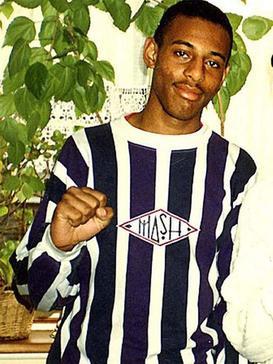
When 19-year-old architecture student Stephen Lawrence (pictured below) was murdered by five racists in 1993, the Macpherson Inquiry that followed in 1999 concluded that there was institutional racism in London’s Metropolitan Police. As a result of this watershed Inquiry important improvements were made to the Race Relations Act. However, this did not prevent black people losing their lives as a result of racist violence, including at the hands of the State. According to Inquest, over 100 black people in England and Wales have died in police custody since 1999.
Racism does not always kill by direct violence though. It also causes death by other means.
One of the main talking points at the moment is the death of a young black Cambridge University professor, Jason Arday.
Jason Arday had many challenges in his life. He was autistic. He only started talking when he was eleven. He brilliantly overcame these challenges and, in 2023, he was appointed as a sociology professor at Cambridge University – one of the most prestigious universities in the world.
Jason’s appointment was a great affront for some racists. How dare a black man attain such a high and prominent academic position?
A campaign was started to discredit him. A few weeks ago, serious allegations of plagiarism resurfaced against Jason. It was claimed that his thesis showed signs of plagiarism. Some media also claimed Jason was a ‘fantasist’ who embellished the truth about his life and achievements, which came on the eve of his memoirs being published.
Jason refuted these claims. He accepted that there were errors in his early academic work due to his autism. As some media acknowledged, these plagiarism allegations had previously been investigated by Liverpool John Moore’s University, who had awarded Jason his PhD in 2015, and were not upheld. The university concluded that the issues had arisen due to “honest and reasonable error”.
At the centre of these new allegations was an American academic called Nathan Cofnas, who describes himself a “race realist”. Essentially, Cofnas is a supporter of white supremacy over black people.
Cofnas’s research affiliation with Cambridge University Emmanuel College was terminated because of his racist views. Only a few days ago his present employer, Ghent University, announced it had suspended him and had started an inquiry into his role in Jason Arday’s death.
The important issue that must be raised here is the role of the media in the tragic death of Professor Jason Arday. There was an unprecedented rush to cover the allegations levelled at Arday. Hard right populist media like the Daily Mail, The Times, The Sun and The Spectator covered the issue with much zeal and ferocious appetite.
The Good Law Project found that the British press published 249 news items about Jason Arday in just 22 days, much of this coming after Jason had resigned from his Cambridge post. Add to this the thousands of social media comments such coverage had generated, some of which were extremely vulgar, and it’s clear the scale of harassment Jason faced.
Steven Barnett, a professor of communications at the University of Westminster, put the onus firmly on British newspapers, stating that Jason was clearly overwhelmed by the scrutiny he faced and that it was more than anyone could bear.
“I don’t think it’s possible to overestimate the impact that those newspapers, those publishers, have had in this particular case,” Prof. Barnett said.
There’s no question that regardless of someone’s race, nationality, ethnicity, sexual orientation or gender, such serious allegations need to be investigated fully and transparently, and a fair decision reached. The question is, why did the media attack this particular case in such an extreme way?
Jason Arday was not the only professor or academic to have been accused of plagiarism. There have been professors at the same university who have been accused of the same thing.
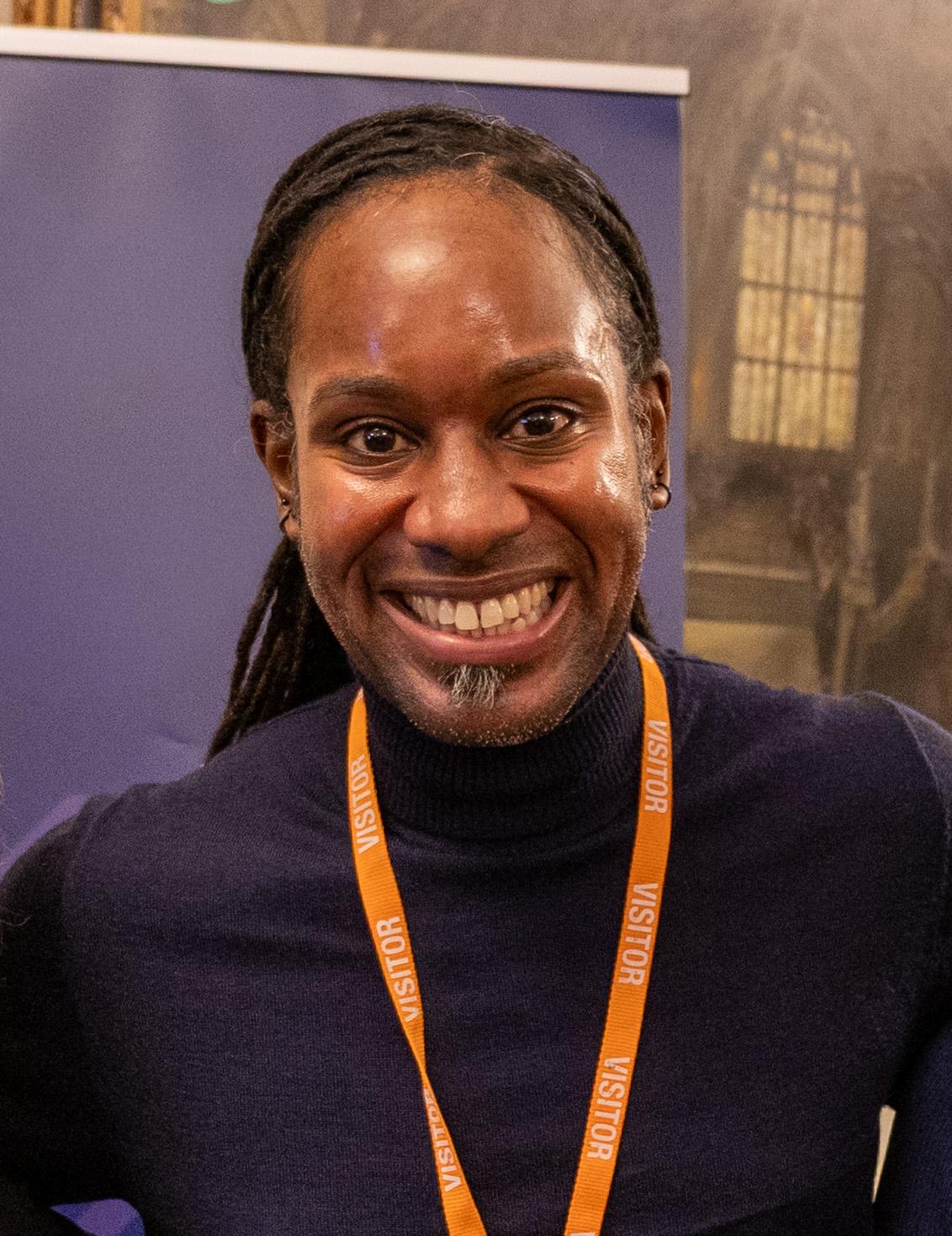
Jason Arday, 2024. Photo © ConiferousForest19 - Own work, CC0
There are currently at least two professors who are being investigated for serious sexual harassment of students. Why do we not come across the same level of media coverage of these cases?
The answer to these questions is very clear. Those other academics are white, whereas Jason Arday was black. Racism is clearly at the centre of this differential treatment.
According to his family and friends, Professor Arday could no longer cope with such extreme pressure and the relentless negative media coverage.
He resigned from his Cambridge University and Jesus College post on August 5, 2026, publicly sharing his resignation letter, which made clear the reasons for his stepping down.
Jason started by remembering the immense pride he had felt at becoming the youngest black professor in the university’s history. Yet the hounding he had faced since his appointment had become unbearable:
“Sadly, the years since my appointment have also been marked by an unrelenting level of public scrutiny and personal attack. While criticism is an inevitable part of academic life, what I have experienced has gone far beyond scholarly disagreement. The relentless accusations, speculation and public commentary have taken a profound toll on me and on those I love…
“I want to reclaim some peace, some privacy and some semblance of an ordinary life. I no longer wish to feel as though I am living under a constant spotlight, where every aspect of my life is subject to public examination and judgement.”
Yet, tragically, even after resigning there was no respite for the South London born academic, who endured more than 180 new articles criticising him.
On 14 August, Professor Jason Atta Kwei Arday was found dead at his Battersea home. He was 41.
It seems apt to end with UN chief António Guterres’s powerful words:
“Racism plagues our world. It is abhorrent. It is ugly. And it is everywhere. We must condemn it without reservation, without hesitation, without qualification.
“Racism is the repudiation of our common humanity…we must reject racism.”
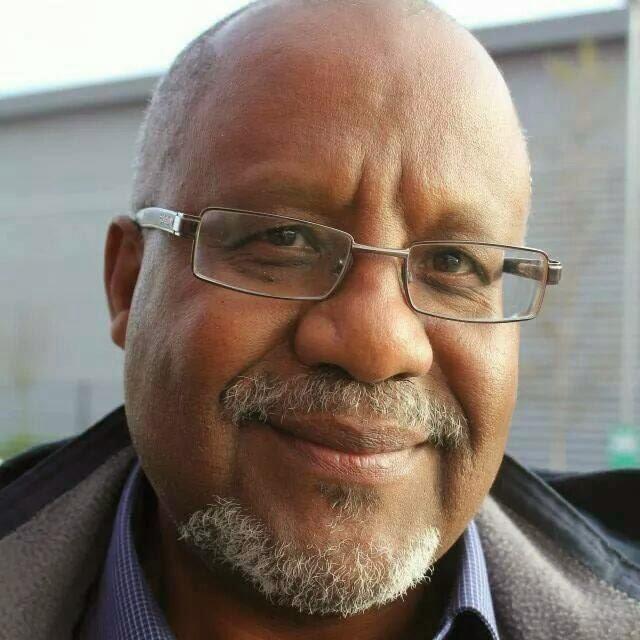
Main image, top, cropped photo of Jason Arday in 2023. Photo © Faculty of Education, University of Cambridge / Jason Arday