

Canadian Prime Minister Mark Carney has confirmed his government raised concerns over LGBT rights directly with Turkish officials during his landmark visit to Türkiye, as international pressure continues to build over Ankara’s sweeping crackdown on LGBT organisations, activists and their supporters.
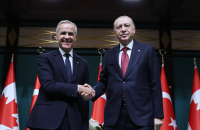
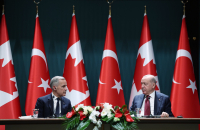
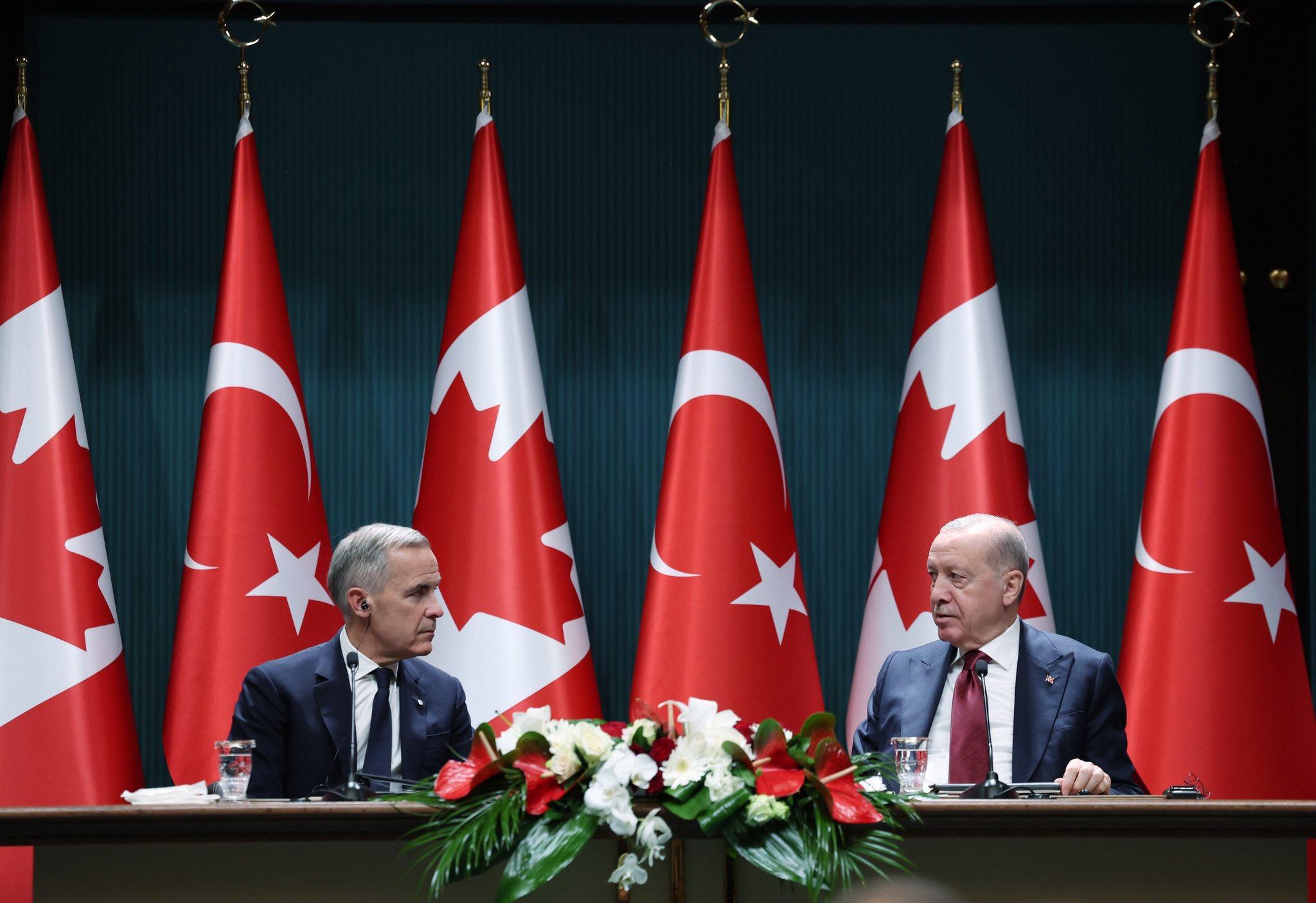
Carney made the disclosure on Friday, 23 October, a day after meeting President Recep Tayyip Erdoğan in Ankara and agreeing to upgrade Canadian-Turkish relations to a strategic partnership covering areas including trade, defence, security and energy.
Speaking to reporters in Istanbul, the Canadian leader said engagement with other countries did not mean Canada approved of all their policies.
“Because we're engaged, we are able to raise directly with the senior authorities in these countries how we view the world and what our expectations are,” Carney said.

Reuters reported that Canadian officials raised LGBT rights during their talks with the Turkish government, although Carney did not meet representatives of LGBT or human rights organisations during his visit.
His intervention is the latest in a growing wave of international criticism of Türkiye’s “Ailem Güvende” (“My Family Is Safe”) operation, which began on 12 September and has resulted in mass arrests, raids on LGBT and HIV organisations, extensive online censorship and criminal investigations involving more than 160 people.
UK Government pressed for answers
Pressure has also continued in Britain. In September, Enfield North Labour MP Feryal Clark headed a cross-party letter signed by 52 UK parliamentarians calling on Foreign Secretary Ed Miliband to act over the crackdown.
Since then, Bournemouth East Labour MP Tom Hayes has tabled 18 separate parliamentary questions pressing the Foreign, Commonwealth and Development Office (FCDO) for details about Britain's response.
Hayes’ questions have ranged from whether UK diplomats are monitoring court proceedings and engaging LGBT and HIV organisations to the treatment and medical care of detainees, discussions with NATO and European partners, and whether Britain would consider targeted human rights sanctions against those responsible for serious abuses.
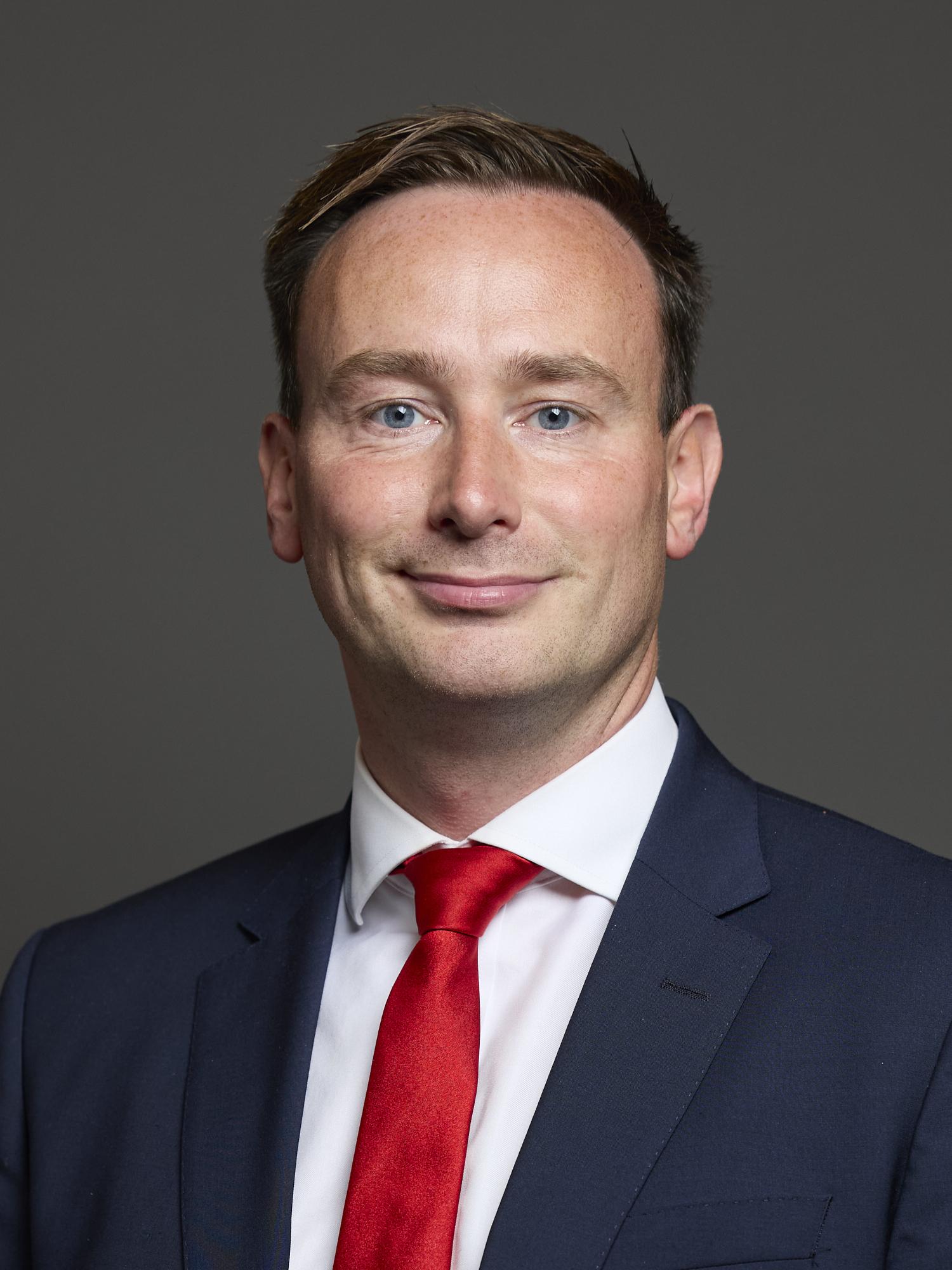
Bournemouth East Labour MP Tom Hayes. Photo ©House of Commons/Roger Harris
The Government’s answers, published on 19 October, confirmed that Britain has raised its concerns with Ankara “on multiple occasions”.
“The UK remains concerned by recent actions targeting LGBT+ individuals and civil society organisations in Türkiye,” Kumaran said, adding that Britain expected Türkiye to uphold the rule of law and its international obligations as a member of the Council of Europe.
However, the FCDO did not directly answer Hayes’s question about whether targeted sanctions were under consideration, instead repeating the Government’s broader position.
T-VINE has also been unable to locate a published response specifically to Clark’s 15 September letter, although Britain subsequently amended its official Türkiye travel advice to acknowledge the operations targeting LGBT organisations and activists.
UN, EU and Council of Europe pile on pressure
The international criticism has intensified considerably over the last four weeks. On 1 October, the Parliamentary Assembly of the Council of Europe (PACE) adopted a formal resolution condemning the campaign as a “sign of further backsliding of democracy” in Türkiye.
The resolution, based on an urgent report by British Labour MP Sam Rushworth, called on Türkiye to release those detained for defending LGBT rights, drop charges arising from the exercise of fundamental freedoms, end online censorship and lift restrictions on LGBT events.
The European Union has also sharpened its language. EU Enlargement Commissioner Marta Kos said on 9 October that developments affecting LGBT rights, media freedom and local democracy were “widening the gap” between Türkiye and its long-standing objective of EU membership.
Kos said these concerns would feature prominently in the EU’s forthcoming annual assessment of Türkiye.
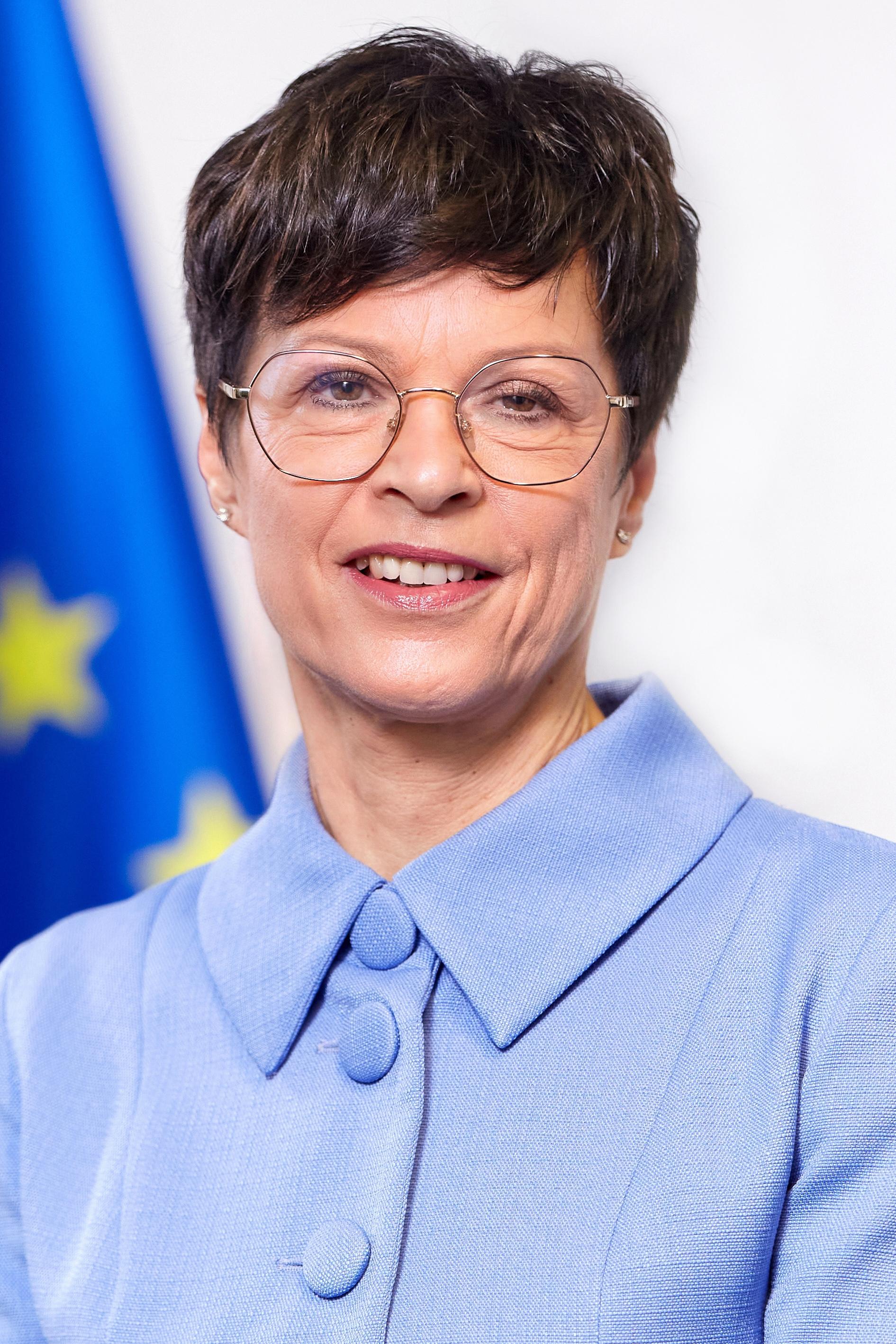
EU Enlargement Commissioner Marta Kos. Photo © European Union, 2026, CC BY 4.0 / Wikipedia
On 13 October, a group of United Nations human rights experts went further, demanding an immediate end to the “My Family Is Safe” operation.
They said at least 44 human rights defenders had been detained or arrested since the operation began and expressed alarm at criminal, administrative and financial measures they said were obstructing legitimate human rights work.
“Türkiye must end the harassment of LGBTI human rights defenders and organisations,” the experts said.
More than 450 civil society organisations from 65 countries have separately signed a joint declaration demanding an end to what they describe as the criminalisation of Türkiye’s LGBT movement.
Dozens remain behind bars
Inside Türkiye, the human consequences of the crackdown continue. European philanthropy network Philea, citing civil society monitoring, said at least 117 people were initially detained, including 44 LGBT human rights defenders. Eighty-three were placed in pre-trial detention, including at least 25 LGBT activists or people associated with LGBT organisations.
As of 15 October, Philea said 77 people remained under arrest. Among those held are senior figures from Kaos GL, one of Türkiye’s oldest LGBT rights organisations.
Amnesty International has also highlighted the continued detention of journalist Tuğba Tekerek, whose prosecution includes a 2024 article she wrote about LGBT rights in Georgia. Amnesty says she and several Kaos GL rights defenders are being held in Ankara’s Sincan prison on accusations including “obscenity” and breaches of the Associations Law.
Journalist Tuğba Tekerek is among those detained by the Turkish government
Lawyers representing those caught up in the crackdown have also reported difficulties.
The International Observatory for Lawyers in Danger (OIAD) said lawyers attempting to assist detainees had reportedly been prevented from entering police premises, while lawyers themselves were among those arrested at protests against the crackdown. It warned that obstructing access to legal counsel removed an essential safeguard for people in detention.
Foreign funding placed under scrutiny
Another major concern is the authorities’ scrutiny of funding received by LGBT organisations from overseas donors.
Human Rights Watch and other rights groups stress that foreign funding is legal in Türkiye, provided organisations comply with statutory notification requirements, and say there has been no evidence that the targeted groups failed to meet those obligations.
Philea warned this week that lawful international funding relationships were increasingly being portrayed as evidence of ‘foreign influence’ or ‘possible criminal activity’, potentially threatening the ability of civil society organisations to operate.
The 450 international organisations that signed the global appeal similarly warned that advocacy, membership, donations, fundraising and lawful international funding should not be treated as evidence of organised crime.
Crackdown spreads to independent media
Perhaps the clearest evidence that the operation is now affecting wider civil liberties came with the blocking of leading independent news website T24.
An Istanbul court ordered T24’s website and social media accounts blocked at the end of September after authorities identified 118 pieces of journalism which they described as “LGBT propaganda”.
The publication challenged the decision, but its appeal was rejected on 9 October and T24 said it intended to take the case to Türkiye’s Constitutional Court.
The move prompted protests from Turkish and international media organisations and added press freedom to the growing list of concerns surrounding the operation.
Reuters quoted EU Enlargement Commissioner Kos explicitly linking Türkiye’s treatment of the LGBT community with restrictions on media freedom when warning that Ankara was moving further away from European democratic standards.
Erdoğan government shows little sign of changing course
The Turkish government insists the operation is intended to protect children, families and public morality and says investigations also concern alleged offences including obscenity, prostitution and drugs.
Ankara maintains that Türkiye’s judiciary is independent and denies that court cases are politically motivated.
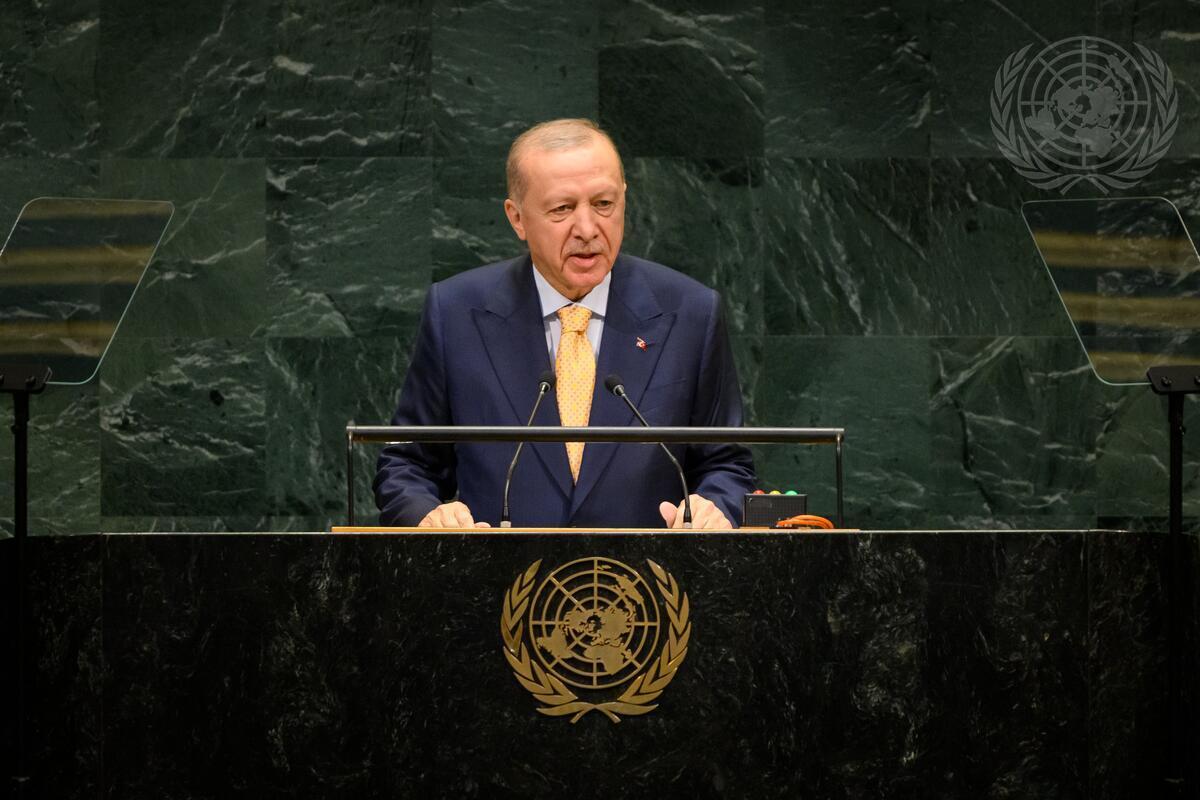
President Erdoğan addressing the UN General Assembly on 22 September 2026. Photo © UN
President Erdoğan has meanwhile continued to place the defence of what he describes as traditional family values at the centre of his political agenda.
Addressing the UN General Assembly in September, days after the raids began, Erdoğan criticised international policies surrounding gender identity and said Türkiye would continue initiatives intended to protect children and a family structure based on a woman and a man.
More than six weeks after the first raids, the continuing detentions, widening censorship and scrutiny of human rights organisations suggest the campaign is far from over.
At the same time, the diplomatic pressure on Ankara is becoming increasingly difficult to ignore. Britain and Canada have now confirmed directly raising their concerns with Turkish officials, while the UN, European Union and Council of Europe have all publicly challenged aspects of the crackdown.