
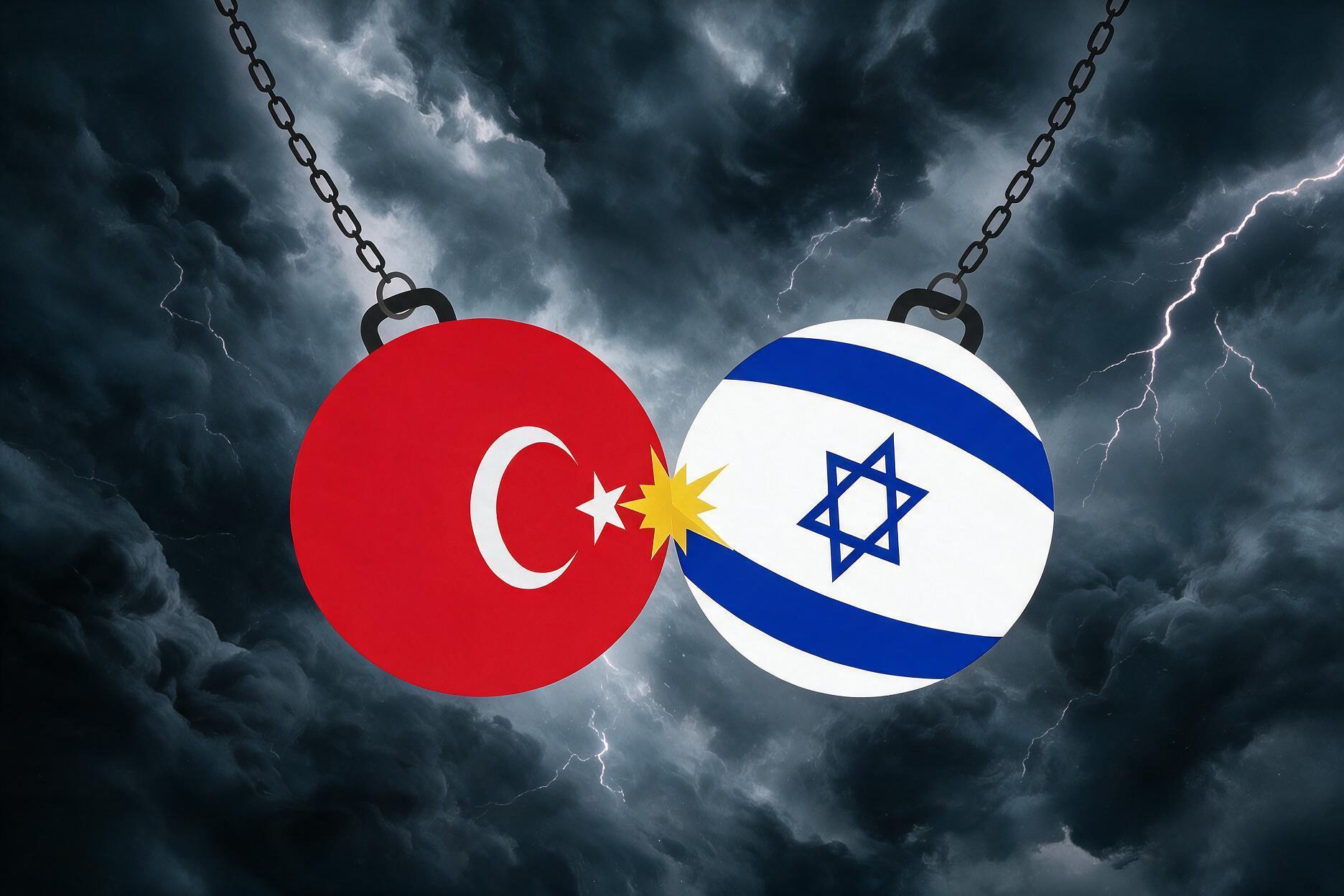
Azerbaijan is again acting as an intermediary between Türkiye and Israel as relations between the two regional powers deteriorate, with their competing interests in Syria raising growing fears of an accidental – or potentially deliberate – military confrontation.
Baku has been using its unusually strong relations with both Ankara and Tel Aviv to maintain channels of communication and reduce the risk of the two countries’ armed forces coming into direct conflict.
Israeli sources said last week that Azerbaijani President Ilham Aliyev had helped initiate direct dialogue between Türkiye and Israel and establish an operational coordination mechanism intended to prevent military incidents in Syria.
Azerbaijan’s latest efforts are reportedly focused on keeping those channels functioning and avoiding potentially dangerous miscalculations involving aircraft and other military operations.
However, the effectiveness of that diplomacy is being tested by the rapidly worsening strategic rivalry between Ankara and Tel Aviv.
On 18 August, Israeli warplanes struck the Abu al-Duhur airbase in northern Syria, around 60 kilometres from the Turkish border, after Israel claimed Türkiye was preparing to establish a military presence there. Ankara and Damascus denied that Turkish forces were preparing to establish a permanent base.
The attack prompted sharp exchanges between the two countries. Israeli Defence Minister Israel Katz accused President Recep Tayyip Erdoğan of dragging Türkiye into “dangerous adventures in Syria”, while Ankara described Israel’s actions as reckless and called on it to respect international law.
US envoy to Syria and Ambassador to Türkiye Tom Barrack subsequently said the strike carried a genuine danger of escalation, with Ankara reportedly considering scrambling Turkish fighter aircraft – bringing the two US allies uncomfortably close to a direct confrontation.
The episode illustrates how far Turkish-Israeli relations have deteriorated and also the limits of Azerbaijan’s mediation. Where Baku has previously been able to help facilitate rapprochement between its two partners, its immediate task today appears increasingly to be preventing their rivalry from turning into armed conflict.
Isra
There are nevertheless significant voices in Israel arguing against confrontation. Former Mossad counter-terrorism chief Oded Eilam said neither country currently wanted a military clash, while Israel’s ambassador to Washington, Yechiel Leiter, insisted his country was “not seeking escalation or war” with Türkiye despite its warnings over Syria.
For Azerbaijan, the prospect of having to choose sides would be especially uncomfortable.
Türkiye and Azerbaijan are treaty allies under the 2021 Shusha Declaration and routinely describe their relationship through the phrase “one nation, two states”. As recently as 1 September, Aliyev and Erdoğan reaffirmed their strategic alliance and stressed that the two countries stand alongside each other in difficult times.
Yet Azerbaijan also enjoys a deep strategic partnership with Israel encompassing energy, trade, defence and security, with the Azerbaijani Foreign Ministry describing relations between the two states earlier this year as being based on “mutual trust and shared interests”.
That unusual position makes Baku one of the few capitals trusted sufficiently by both sides to act as a go-between – but it also means Azerbaijan has more to lose than most should the increasingly bitter Turkish-Israeli rivalry ever spill over into direct military confrontation.