On Thursday, 4 June, families of Sonya Kaygan and other Turkish Cypriots who died in Britain during the coronavirus pandemic gathered at Shacklewell Lane Mosque in Dalston, East London, to say goodbye to their deceased loved ones before they were repatriated to their native homeland of North Cyprus for burials.
It was a deeply moving, emotional afternoon for the relatives, who are unable to travel to the Turkish Republic of North Cyprus (TRNC) for the funerals due to international travel restrictions.
There were tears and prayers, led by Turkish Cypriot Hoca (pastor) Husayn Hashim El Bakayi. Some relatives wrote messages on the cardboard boxes encasing the caskets of their fathers, mothers, siblings and grandparents. Others, like Şefika Misiri, whose 78-year-old husband Orhan had died of Covid-19, hugged the coffin unwilling to let him go.
After weeks of campaigning, the families and their funeral director the UK Turkish Islamic Trust (UKTIT) had managed to persuade the TRNC government to lift its ban on the repatriation of Turkish Cypriots who had died abroad. The ban, introduced in March 2020 to contain the coronavirus pandemic, applied to all regardless of the cause of death.
Earlier this week, the UKTIT-administered mosque, in whose morgue the bodies of 18 Turkish Cypriots had been held, some for as long as two months, arranged for six of the deceased to fly to North Cyprus on Friday 5 June.
The repatriation flight from London Stansted to Ercan Airport was originally planned for TRNC citizens stranded in Britain due the pandemic. A maximum of six coffins could travel on this flight due to their weight and the relatively small size of the chartered air craft.
Scenes from Shacklewell Lane Mosque as families say goodbye to loved ones being repatriated for burial in North Cyprus
Embed from Getty Images
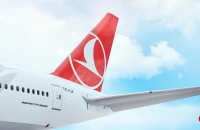
The remaining twelve have embarked on a much longer journey that started on Thursday afternoon, when they were taken from the mosque to Heathrow Airport. The following day, the twelve flew to Istanbul Airport on a Turkish Airlines cargo plane, and were then transported overnight by road to Mersin International Sea Port.
Four funeral cars, provided free of charge by Istanbul Metropolitan Council, made the 1,000 km road trip, arriving in Mersin mid-morning on Saturday. The mission was made possible by the Yurtdışı Türkler ve Akraba Topluluklar Başkanlığı (YTB), which is tied to the Turkish Presidency and supports the Turkish Diaspora worldwide. YTB intervened to facilitate this vital logistical link for UKTIT, which had been struggling to find a viable and affordable route to transport the bodies to North Cyprus because of the lockdown travel restrictions.
The coffins have been loaded onto a lorry in Mersin that will soon board a boat and sail overnight to the Port of Famagusta (Mağusa), North Cyprus, arriving on Sunday morning, 7 June. The twelve Turkish Cypriots will be buried on the same day.
The youngest of the deceased on this epic voyage home to North Cyprus via plane, road and boat is 26-year-old care worker Sonya Kaygan.
Ozlem Nafi, Sonya’s first cousin, came to the mosque with her husband Kenan and two children on Thursday to say their goodbyes. The two women are from the same village of Yedidalga, where they lived a few doors apart.
Sonya, who was born in the TRNC in 1993, regarded Ozlem as a big sister, and even a second mum, especially after her own mother Ayşe came to London for work, leaving Sonya in Cyprus to complete her education at Lefkoşa Maarif Kolej – one of the TRNC’s best state schools.
The Turkish Cypriot high school graduate wed in Cyprus and a few years ago decided to move to Britain, settling in Enfield, North London, to be closer to her mum. Soon after, Sonya gave birth to a daughter, whom she named Ayşe after her mother.
Sonya Kaygan and daughter Ayşe, courtesy of the Kaygan family
Sonya’s marriage was troubled, and she decided to forge a life as a single mother, taking employment in a care home close to where she lived. She shared child care responsibilities for baby Ayşe with her mum: Sonya frequently worked nights, while her mum worked in another care home during the day.
The UK’s first reported case of death from coronavirus was on 5 March. The government ordered a lockdown on 23 March. Somewhere in between, Sonya contracted the virus.
A special report, published by Reuters on 5 May, claims that Sonya’s work place Elizabeth Lodge, operated by large privately owned healthcare provider CareUK, didn’t start testing until April. Staff didn’t have PPE (personal protective equipment), and Sonya, like her colleagues, had to resort to buying her own protective masks, which didn’t arrive until after she was hospitalised.
Sonya Kaygan to her mum: “If I never make it back, look after my baby”


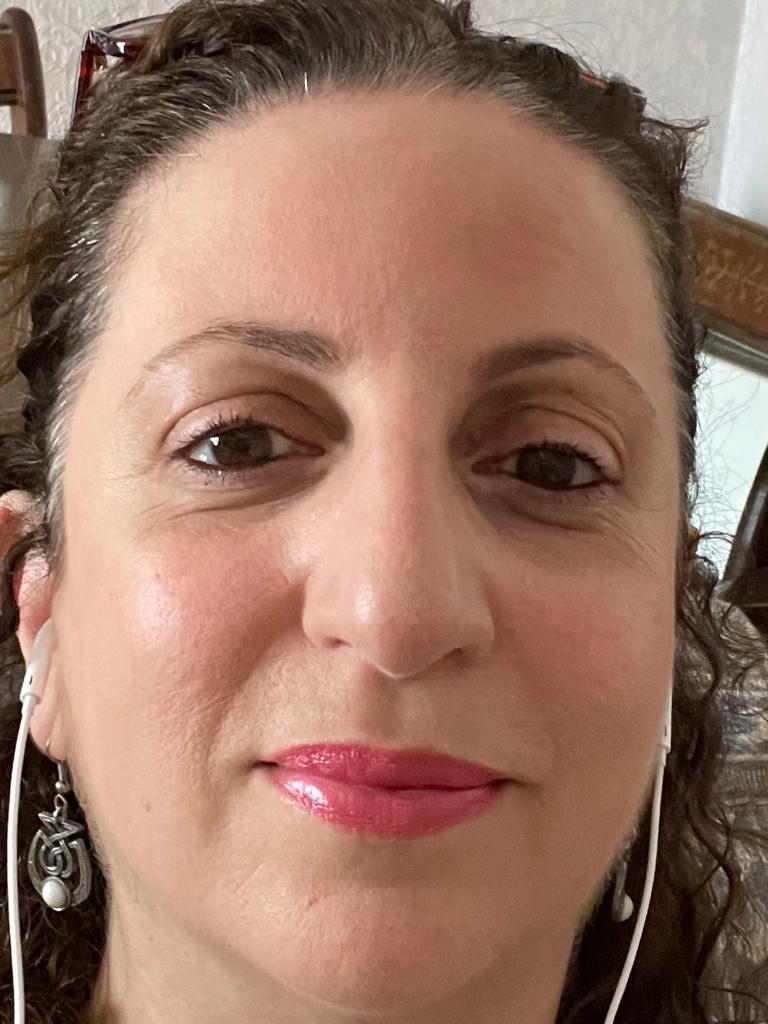

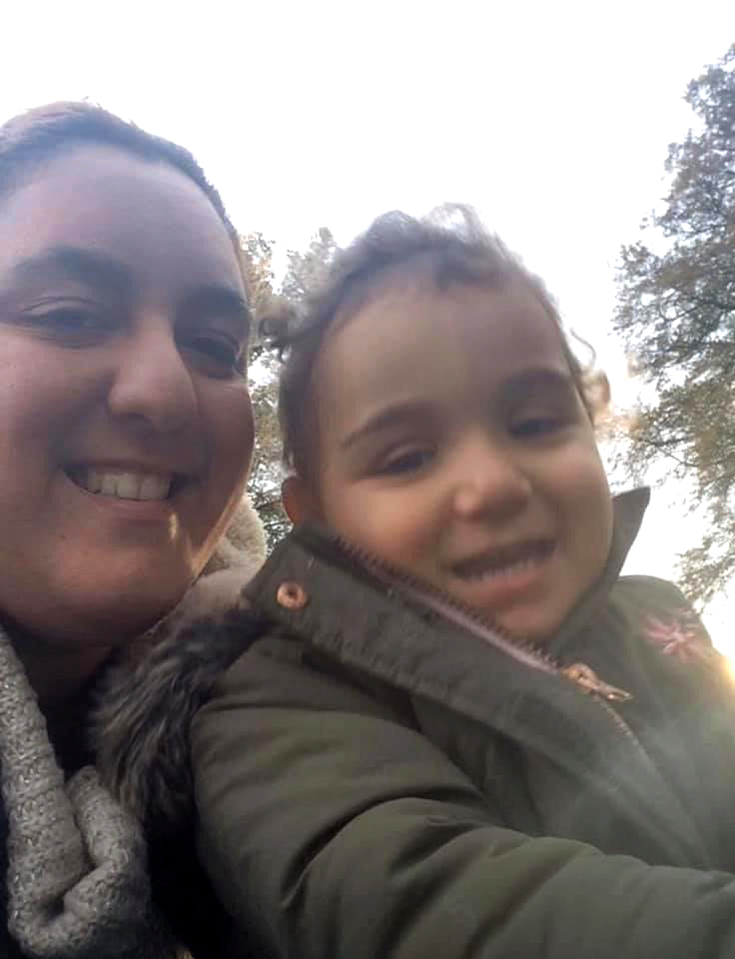 Sonya Kaygan and daughter Ayşe, courtesy of the Kaygan family
  Sonya Kaygan's cousin Ozlem Nafi and her daughter being interviewed outside Shacklewell Lane Mosque, 04 June 2020. Photo © Ipek Ozerim / T-VINE