
Have you heard of the Ottoman Taj Mahal?
It may come as a surprise to some, but Europe has a Taj Mahal of its own. A long way from India, this historic monument is to be found in the Maltese town of Marsa. Perhaps more interesting yet, this Taj Mahal is not South Asian in origin, but Ottoman!
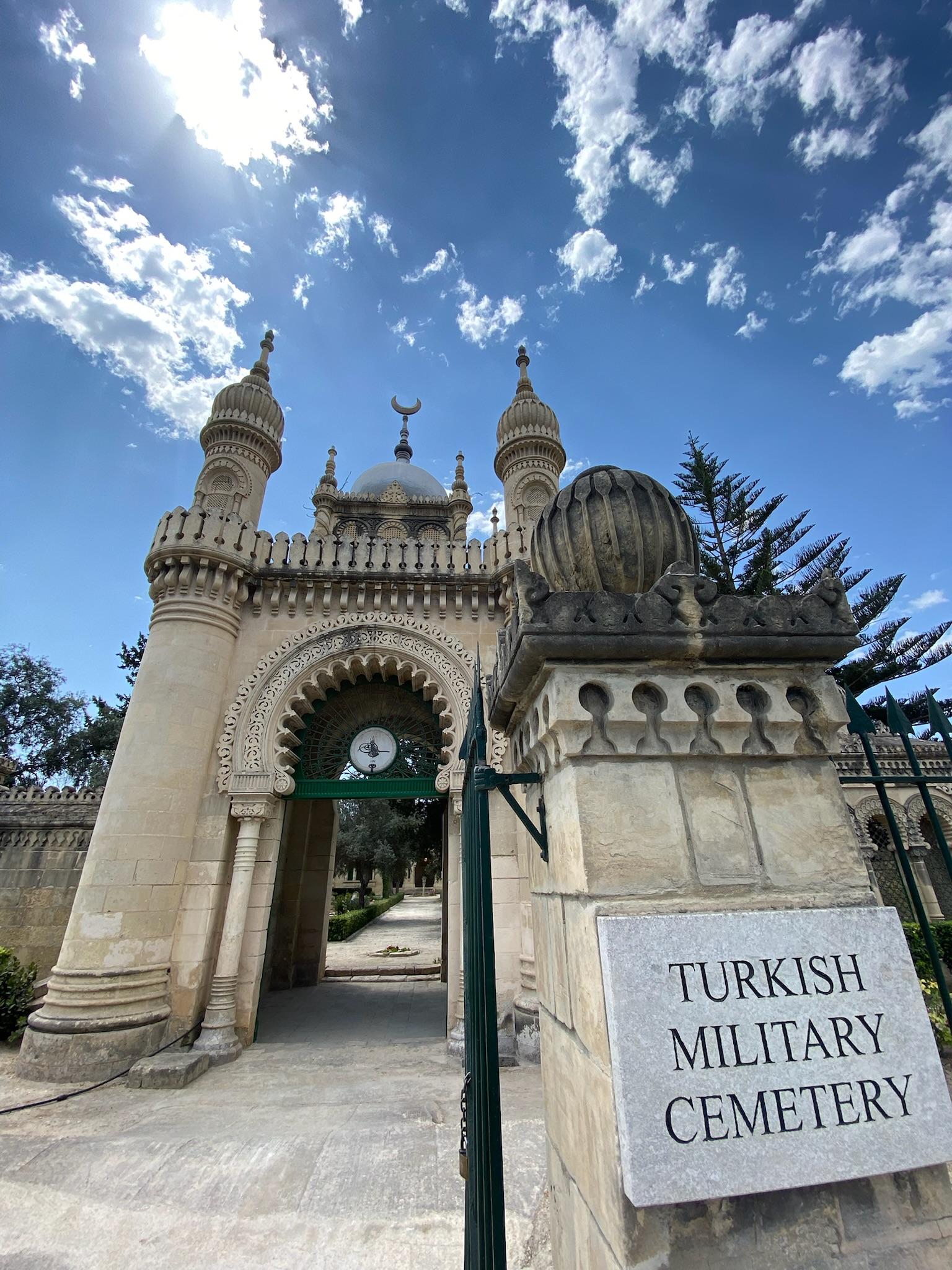
The monument is known today as the Turkish Military Cemetery and, like the original Taj Mahal, it also serves as an Islamic burial place today. The similarities do not end there either. India’s world-famous mausoleum was completed in 1648 during the reign of Emperor Shah Jahan, a ruler from the Turkic-origin Mughal dynasty, who sought to commemorate his wife Mumtaz Mahal after she passed away. The cemetery in Malta meanwhile, was also established by Turkic royalty, namely the Ottoman Sultan Abdülaziz (r. 1861-1876).
Abdülaziz, a trailblazing sultan
But how did it come to be? And, why?
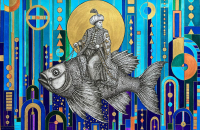
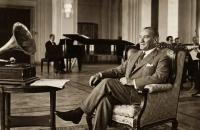
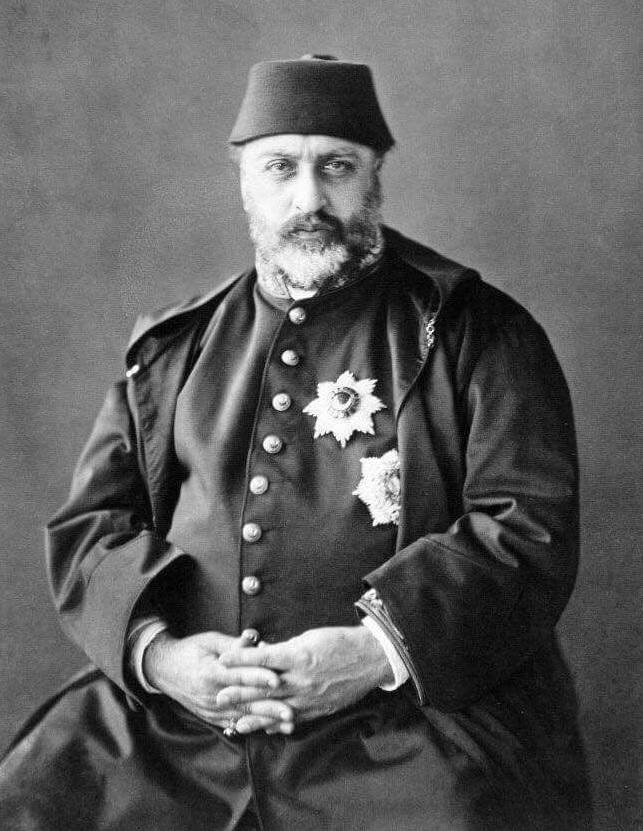
Hoping to strengthen ties with European powers, Sultan Abdülaziz (pictured below) visited several capitals including London and Paris, making him the first sitting Ottoman monarch to travel to Western Europe. He also visited Malta, then under British rule, and decided to establish a cemetery there to commemorate Ottoman soldiers who had died while laying siege to the island back in 1565 on the orders of his celebrated ancestor Süleyman the Magnificent.
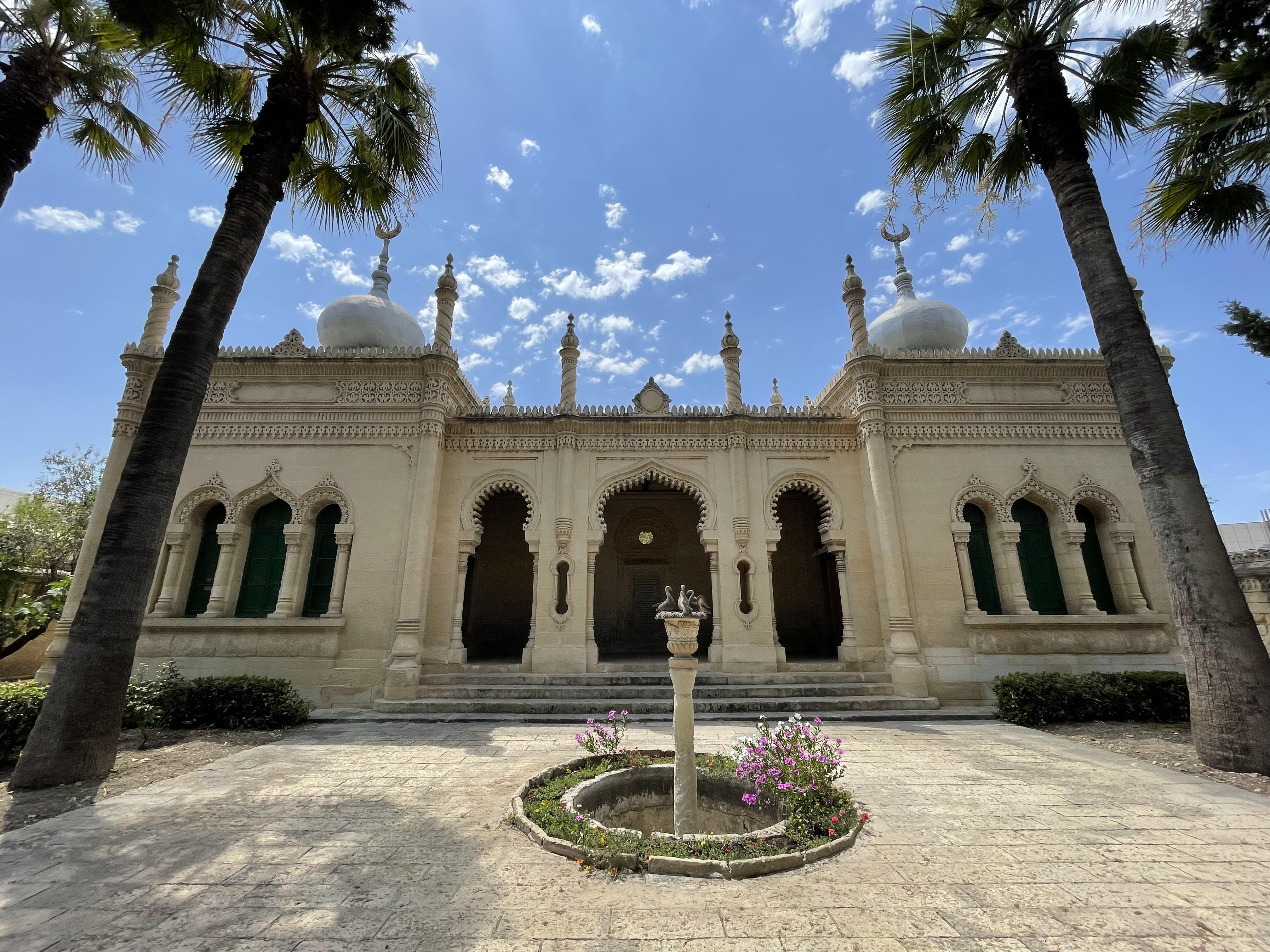
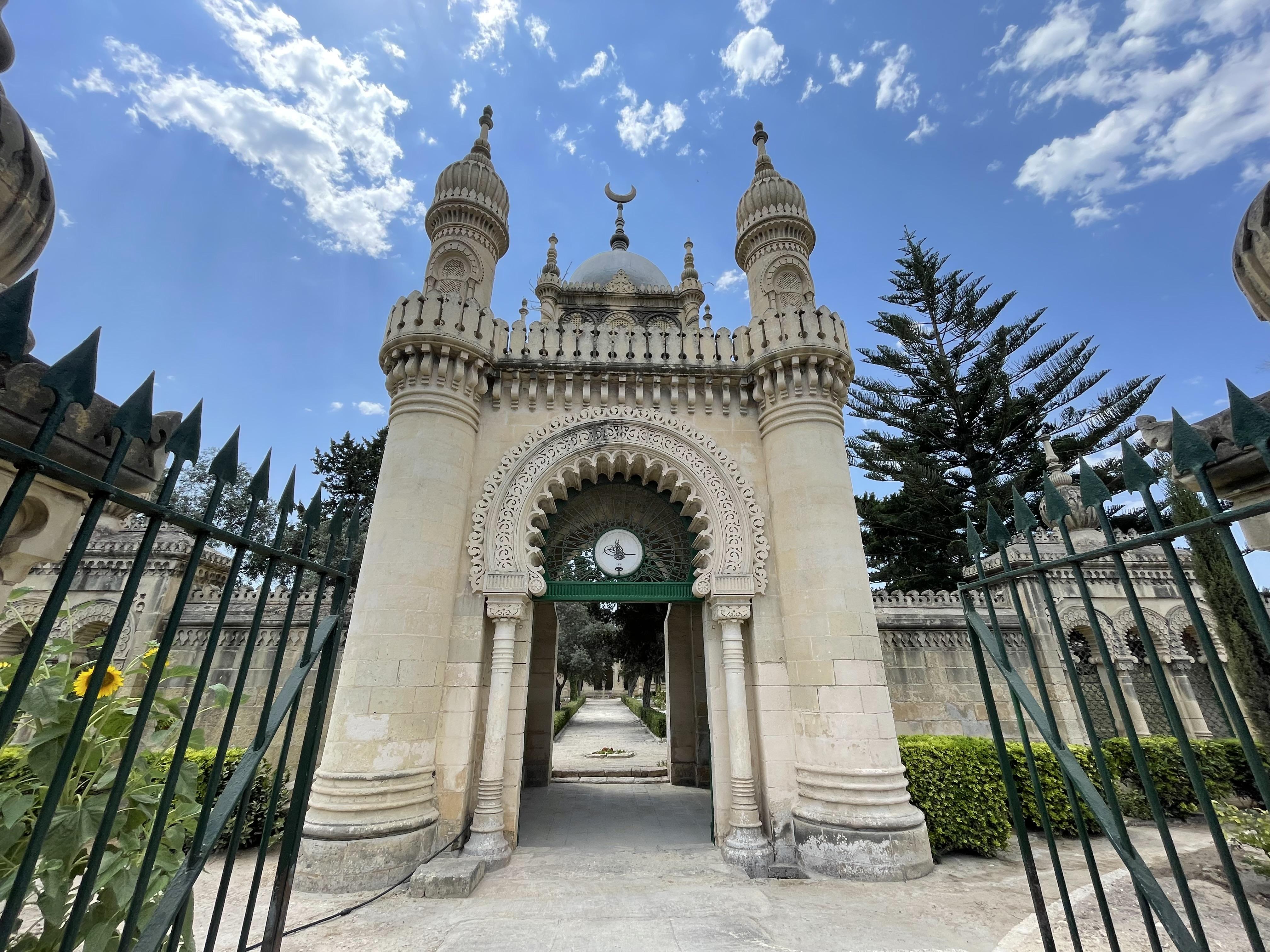
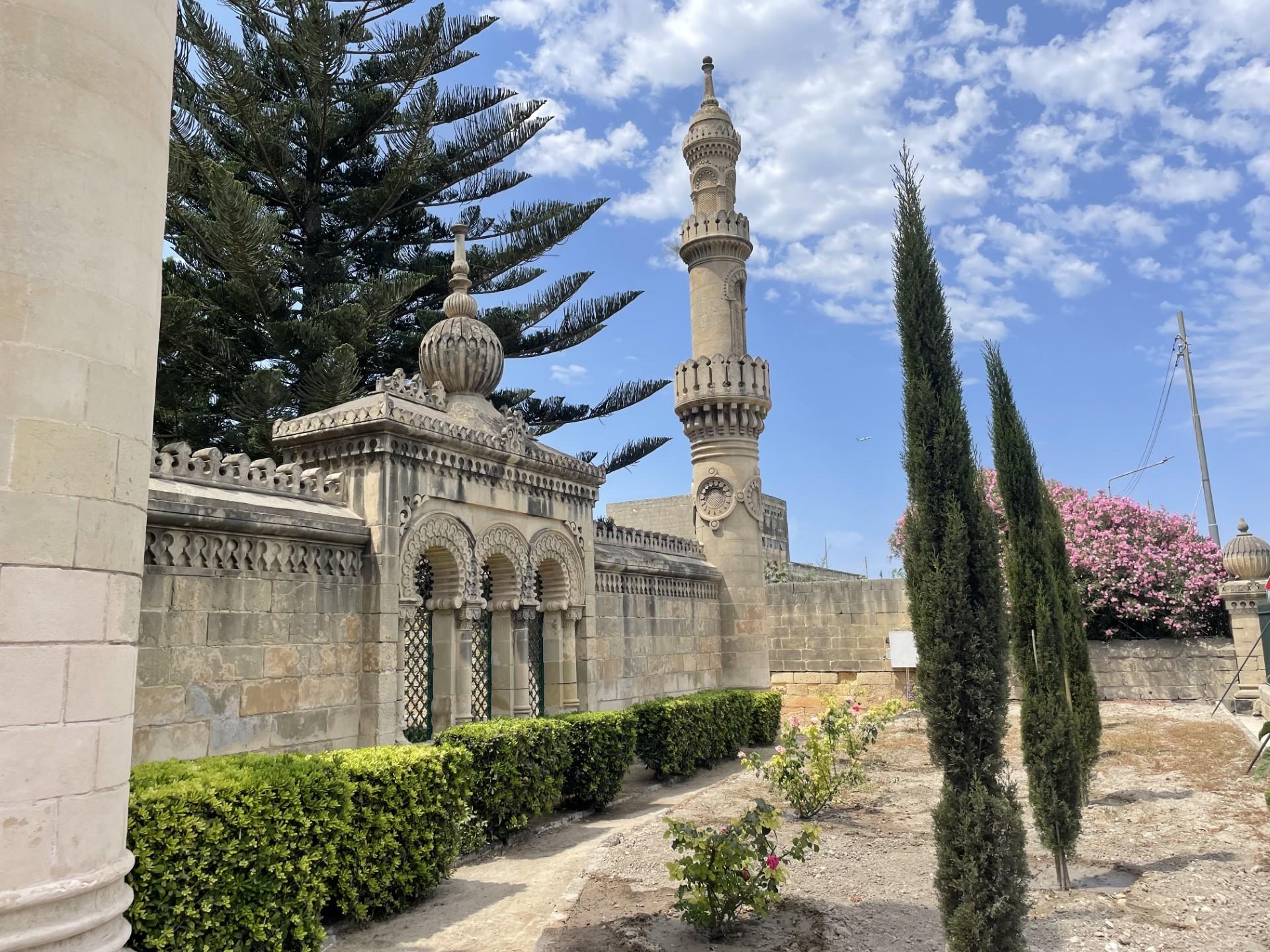
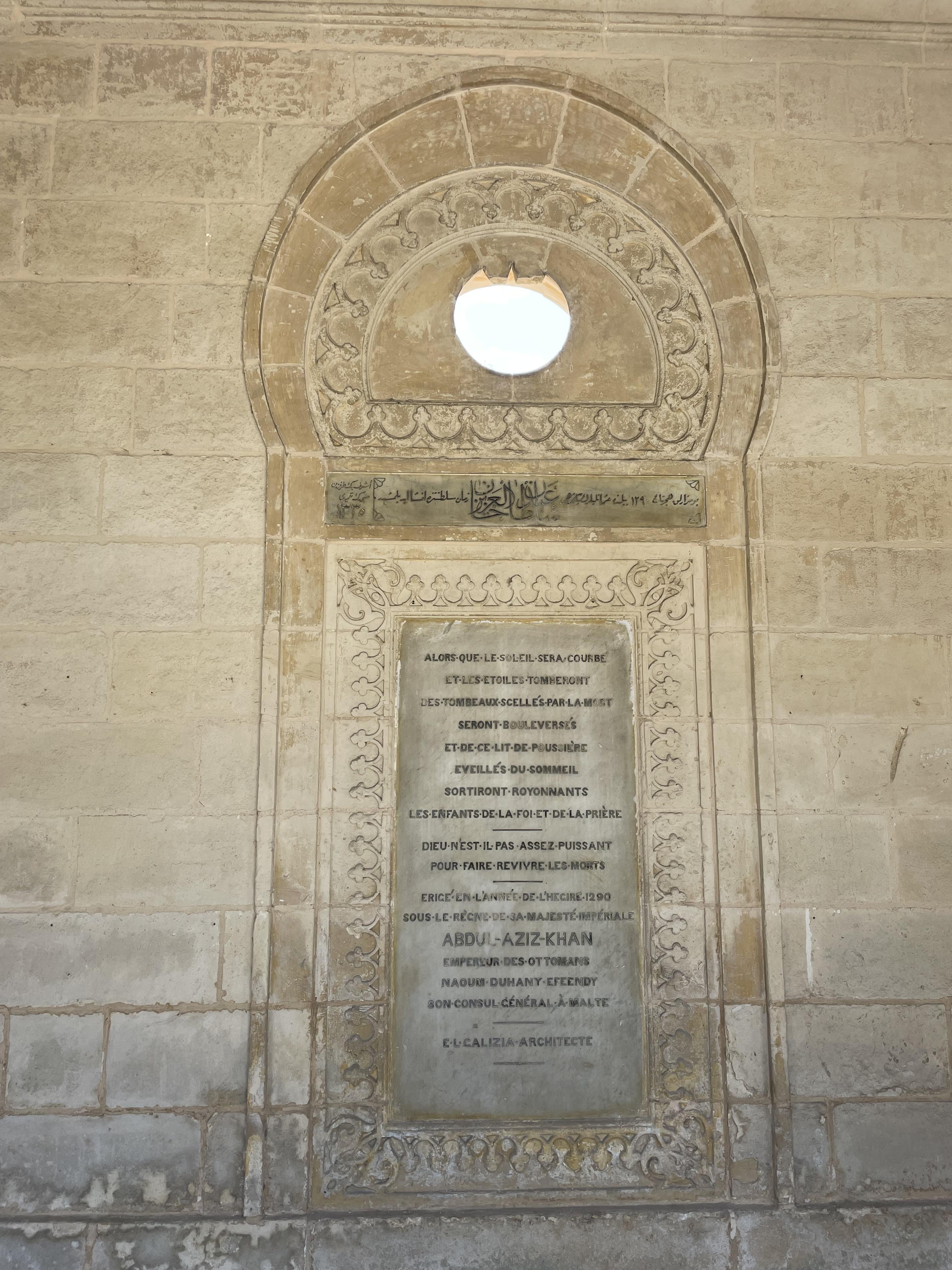
Abdülaziz contracted the local architect Emanuele Luigi Galizia to undertake the build in 1873, and the complex was completed the following year. What emerged was a stunning architectural wonder. Complete with outer walls, minaret-like towers, and an ornate entrance and lodge, Galizia’s masterpiece drew inspiration from a variety of Islamic civilisations.
An eclectic mix of Islamic architecture
Ever an admirer of the Moorish Alhambra Palace in Spain, Galizia sought to replicate its enclosed gardens – themselves symbols of Paradise – by adding external walls and decorating the façade and lodge with stunning horseshoe arches.
He did not borrow from the Andalusian and North African Moors alone either, he learned from South Asia’s Mughals as well, for instance, adding bulbous onion domes to its main structures. It is its Mughal-inspired features that give the cemetery its reputation as the Ottoman Taj Mahal. And of course, not forgetting who his client was, Galizia also topped the domes with a crescent moon in the traditional Ottoman fashion and added Sultan Abdülaziz’s insignia or Tuğra at the entrance.
The Sultan rewarded Galizia for his effort by honouring him with the Order of the Mecidiye. Ever since, the cemetery has been a valued heritage site, initially introducing a new and tangible Ottoman connection to the island, and today highlighting both Malta and Türkiye’s shared past.
A resting place for diverse deceased
The burial space’s architectural influences are diverse, but so too are the people who have been laid to rest there. Interestingly, they reflect each region that inspired Galizia’s designs.
As the name suggests, many of the graves belong to a group of Ottoman military and service personnel from across the empire’s former domains.
Ottoman prisoners of war
These Ottomans, however, were not killed during the great siege in the sixteenth century, but rather, they passed away on the island in captivity, having been taken as prisoners of war by the British in the First World War, during which the Ottoman Empire and Great Britain fought on opposing sides.
These captives highlight the diversity of Ottoman servicemen, as their headstones sometimes reveal their origins. Some come from different parts of Türkiye, such as Azizoğlu Abdullah, a soldier from Tosya who passed away in 1918, or Osmanoğlu Ömer Reis, a sailor from Ordu who died the same year.
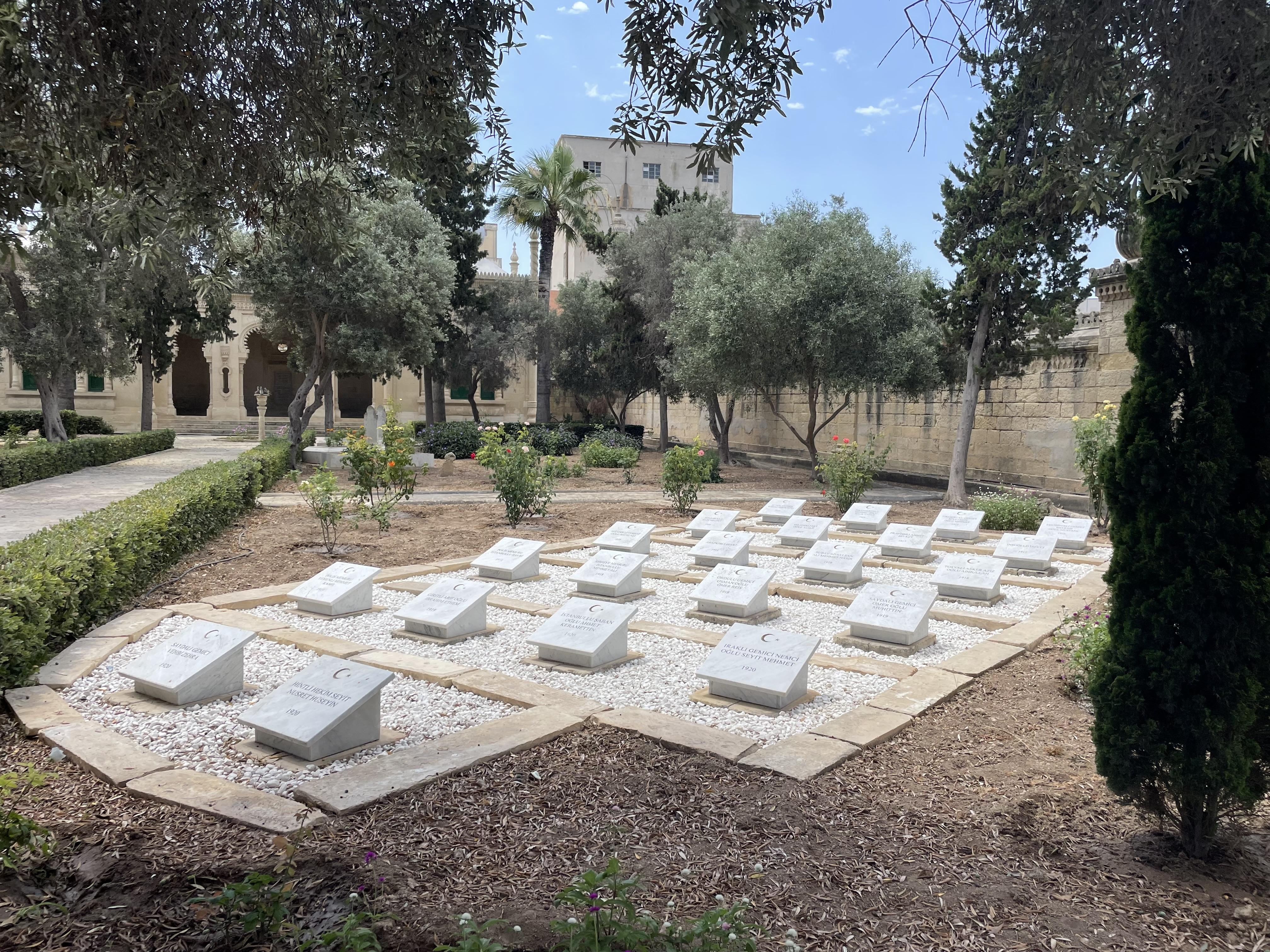
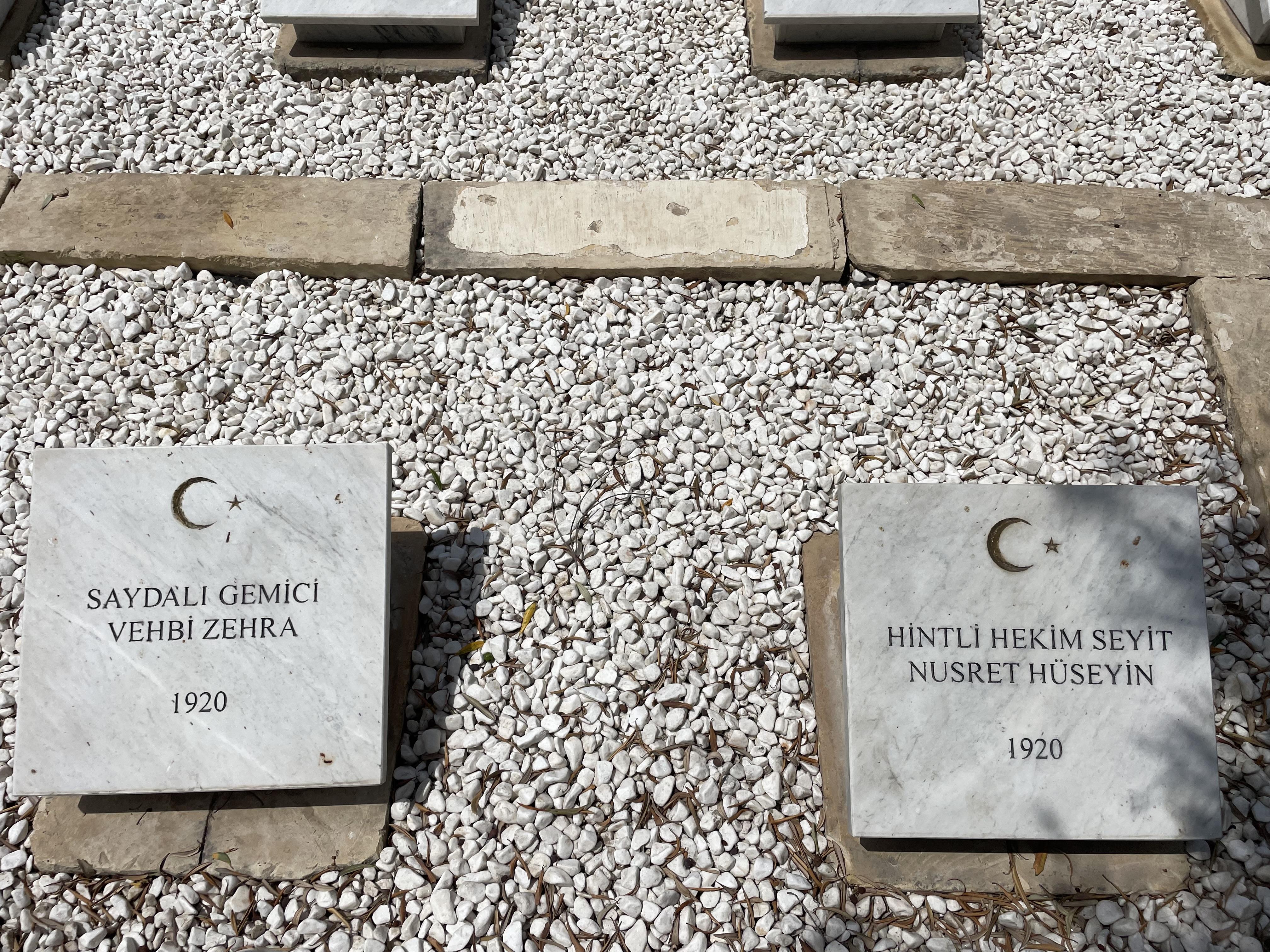
There are men from other former Ottoman territories too. Another sailor for example, this time from Iraq, by the name of Nemcioğlu Seyit Mehmet is also buried there, as is a police officer from Yemen, called Mehmet Kamil, so too are men with links to Crete and Thessaloniki in present-day Greece.
Perhaps more surprising, is that these servicemen share their resting place with an Islamic scholar from India known as Hakim Nusrat Husain. He may not have been an Ottoman himself, but Husain was certainly on their side. He had been imprisoned with other Indian Muslims for his role in plans to stage a rebellion against British rule in his country with Ottoman, German and Afghan support. He would later lose his life on the island in 1920.
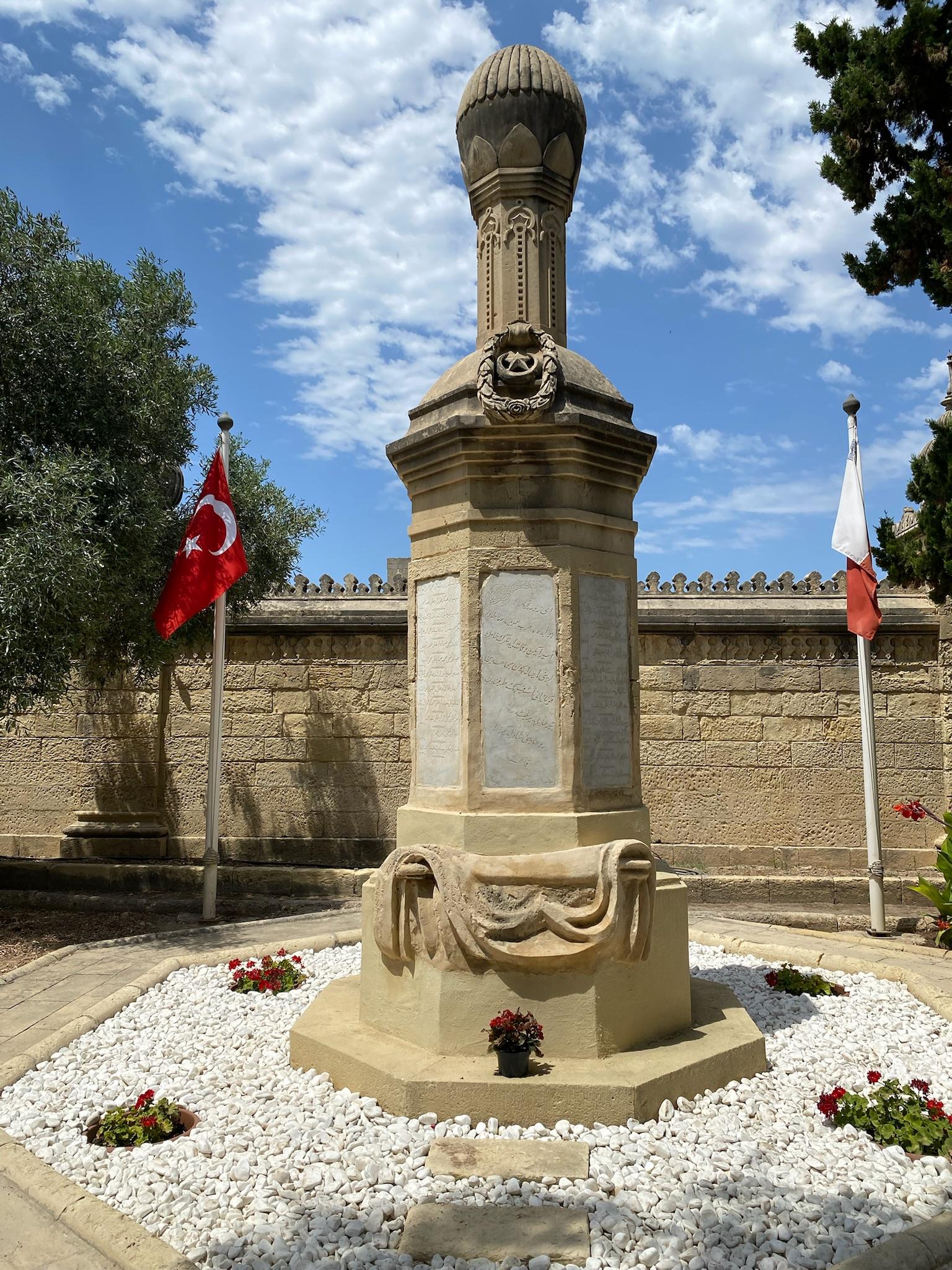
All these men are commemorated by a small monument, built shortly after the war during repairs to the cemetery led by Kuşcubaşı Eşref Bey, an Ottoman officer, who was himself a detainee.
Pilgrims, servicemen, and a refugee
These Ottomans, and their Indian ally, however, are neither the first, nor the last people to have been laid to rest in the cemetery. Twenty-three Moroccan pilgrims who died after their ship caught fire on the way to Mecca were buried there in 1908.
Among others, there are a group of Algerian soldiers who were killed while serving France during World War Two, and several Muslims who had served on the British side in both World Wars. One example is Raja Mian, a sailor in the Indian Merchant Navy whose cargo ship was bombed by enemy aircraft in 1942 as part of a Malta-bound supply convoy.
Beyond these wars, a Ugandan Muslim refugee who arrived on the island in the 1970s was also laid to rest in the graveyard after he passed away and was in need of an Islamic burial space in the largely Roman Catholic country.
A place of peace for pilgrims, a refugee, a scholar, soldiers, sailors, and servicemen, Malta’s Turkish Military Cemetery, the Ottoman Taj Mahal is truly deserving of a special reputation. Perhaps one greater than Sultan Abdülaziz could have ever imagined.
All images © Edward Rowe, July 2025