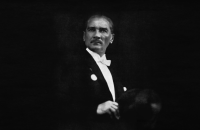


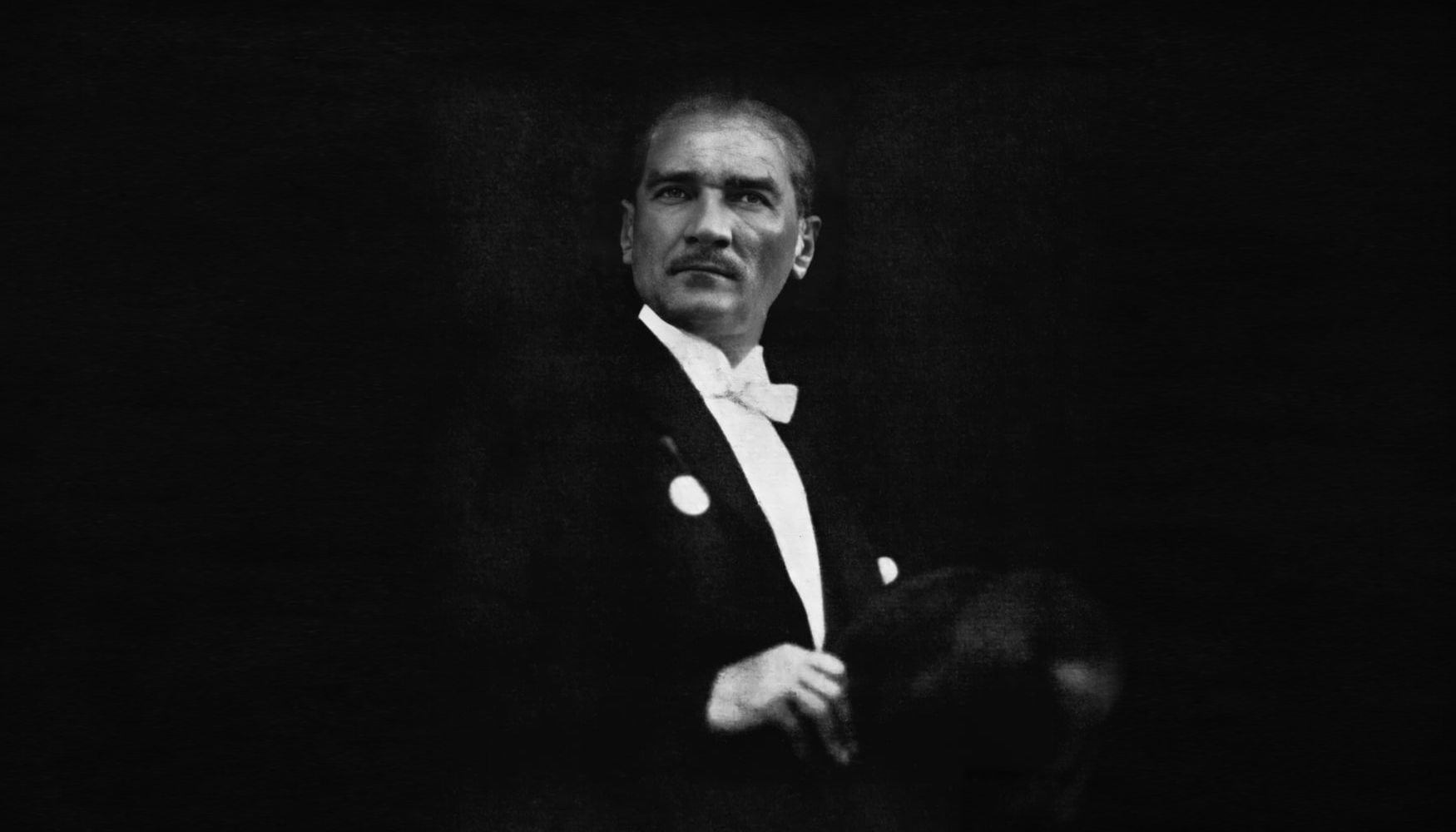
At 9.05am on 10 November, sirens sound across Türkiye. Drivers pull over and people pause in streets, schools and workplaces to mark the moment Mustafa Kemal Atatürk died at Istanbul’s Dolmabahçe Palace in 1938. He was 57.
Eighty-eight years on, the country still sets aside that moment for the man who led its War of Independence and became its first president. His journey began in an Ottoman port city that is now part of Greece. By the end of his life, the republic he helped found had a new capital, a new alphabet and women in parliament.
1. His childhood was marked by family loss
Mustafa was born in 1881 in Salonika, now Thessaloniki. His father, Ali Rıza Efendi, worked as a clerk and later traded timber. His death left the family in financial difficulty, and Mustafa’s mother, Zübeyde Hanım, took the family to live for a time on a relative’s farm. Four of Mustafa’s five siblings died young. His sister Makbule was the only one to survive into adulthood.
2. A maths teacher gave him the name Kemal
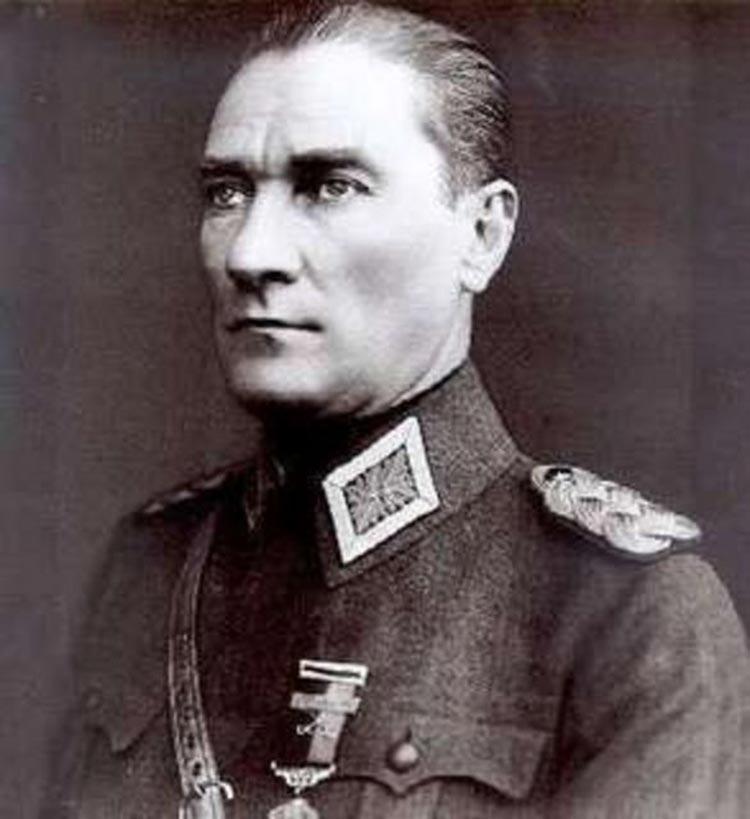
According to the official Turkish biography, it was at military school in Salonika that a maths teacher, also named Mustafa, added ‘Kemal’ to his pupil’s name. He went on to study at military school in Monastir, now Bitola in North Macedonia, and at the Ottoman military academy in Istanbul. He qualified as a staff captain in 1905 and was posted to Damascus.
3. He saw action in Libya before the First World War
When Italy invaded Ottoman Libya in 1911, Mustafa Kemal was among the Ottoman officers who went to organise resistance. He fought around Tobruk and Derna, gaining combat experience well before the campaign that made his name. In 1916, after Gallipoli, he was promoted to brigadier general and helped recapture Muş and Bitlis from Russian forces.
4. His quick response helped stop the Anzac advance at Gallipoli
On 25 April 1915, Australian and New Zealand troops landed on the Gallipoli peninsula and began pushing inland. Mustafa Kemal, commanding the Ottoman 19th Division, moved his troops rapidly towards the heights above the landing area. His intervention helped contain the advance. The Allies eventually evacuated the peninsula, and Gallipoli made his reputation as a commander.
5. His arrival in Samsun became a national holiday
Mustafa Kemal landed at the Black Sea port of Samsun on 19 May 1919 as an Ottoman army inspector. In the wake of the Allied occupation and the Greek landing at İzmir, he helped turn scattered resistance into a national movement. He resigned from the Ottoman army, helped rally support at congresses in Erzurum and Sivas, and was elected to lead the Grand National Assembly when it opened in Ankara on 23 April 1920. Türkiye now marks 19 May as the Commemoration of Atatürk, Youth and Sports Day.
6. He took command at a low point in the War of Independence
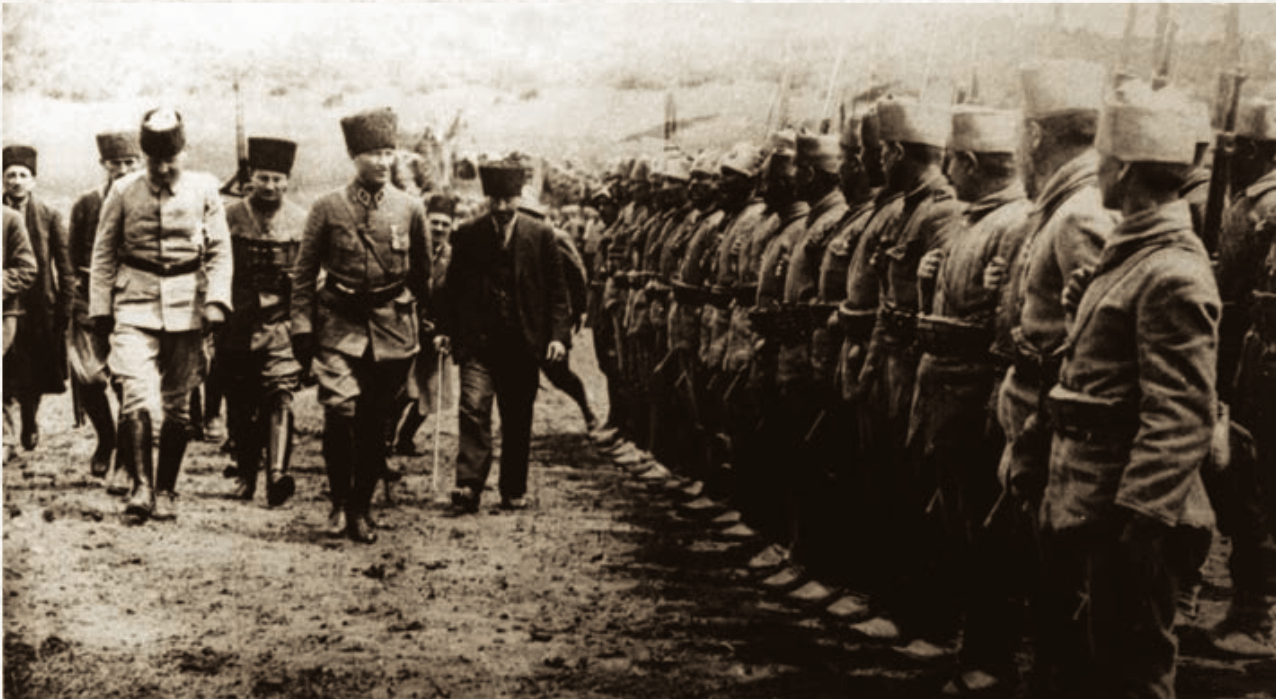
In July 1921, Greek forces took Eskişehir and the Turkish army pulled back east of the Sakarya River. The assembly appointed Mustafa Kemal commander-in-chief in August. His forces halted the Greek offensive in the 22-day Battle of Sakarya. A year later, the Great Offensive and the victory at Dumlupınar broke the Greek army’s hold on western Anatolia. Turkish troops entered İzmir on 9 September 1922.
7. He became the first president of a republic with a new capital
The Grand National Assembly abolished the Ottoman sultanate in November 1922. The Treaty of Lausanne, signed in July 1923, secured international recognition for the new Turkish state. Ankara became the capital on 13 October, and on 29 October the assembly proclaimed the republic and elected Mustafa Kemal its first president. He held the office until his death.
8. His reforms changed how people read, married and voted
The republic abolished the caliphate and brought education under a unified system in 1924. A Swiss-inspired civil code introduced civil marriage and outlawed polygamy in 1926. Two years later, a Latin-based Turkish alphabet replaced the Ottoman Arabic-based script, and adult classes helped people learn to read and write it.
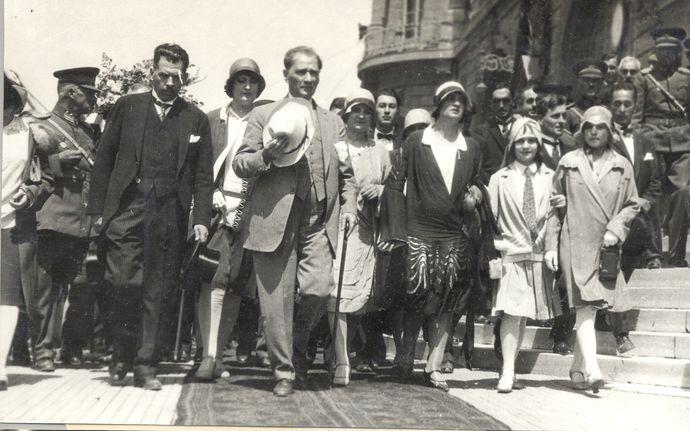
Women gained the right to vote and stand in municipal elections in 1930 and in parliamentary elections in 1934. The first women MPs entered parliament in 1935. These changes took place under a presidency dominated by the Republican People’s Party, with only brief experiments in organised political opposition.
9. He sang Rumeli folk songs and commissioned Türkiye’s first opera
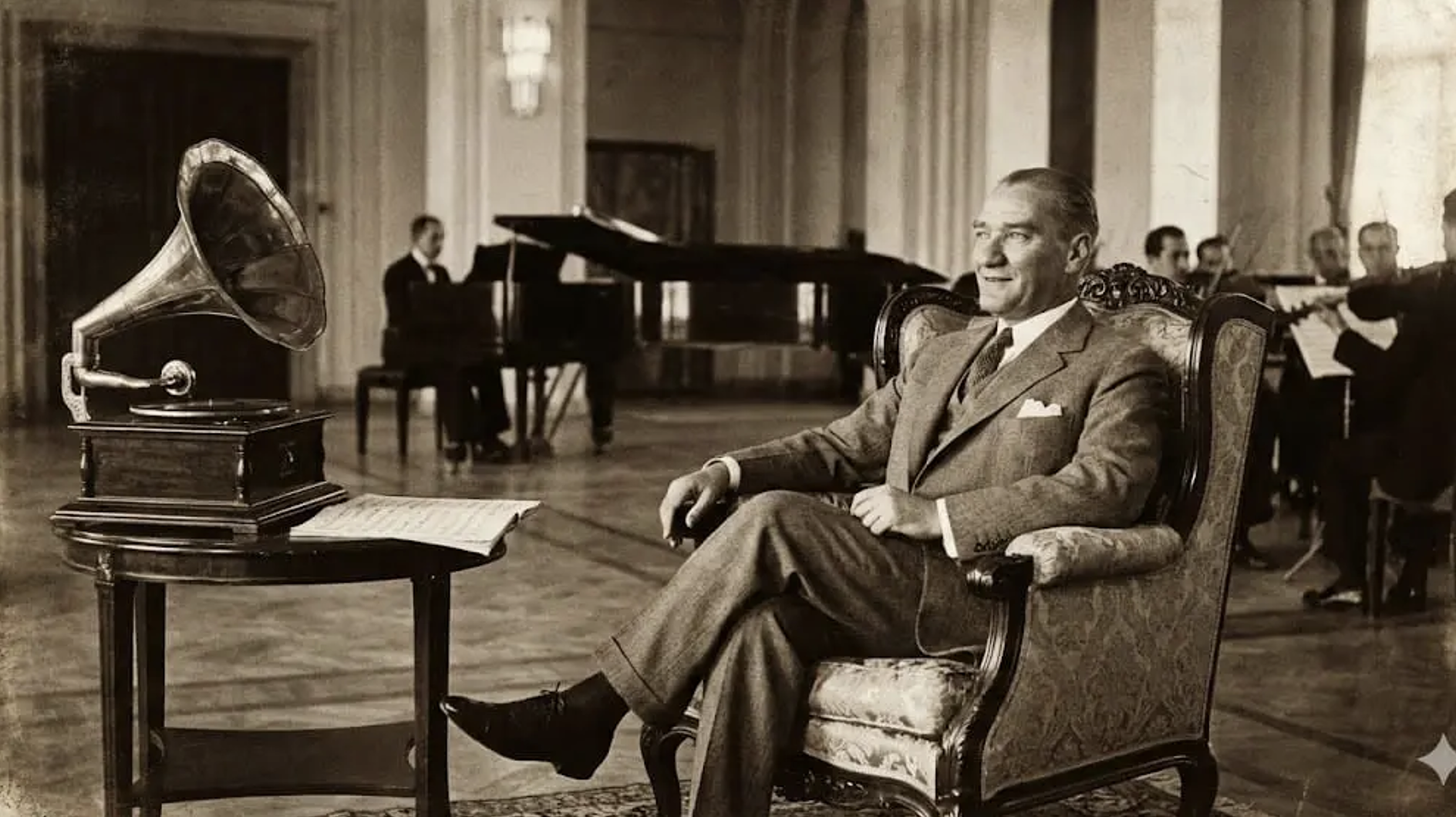
Atatürk had a soft spot for the folk songs of Rumeli, the part of the Ottoman Balkans where he grew up. The musicologist Halil Bedii Yönetken recalled how Atatürk once taught a visiting school choir ‘Manastır Türküsü’, a folk song about the town where he had studied as a teenage cadet.
As president, he commissioned Özsoy, the first Turkish opera, for the visit of Iran’s Shah Reza Pahlavi in 1934. Composed by Ahmet Adnan Saygun, it premiered in Ankara with both leaders in the audience. Two years later, the Ankara State Conservatoire began training students in music, opera and theatre.
10. Parliament gave him the name ‘Atatürk’
The 1934 Surname Law required citizens to take a family name. That November, parliament gave Mustafa Kemal the surname Atatürk, commonly translated as ‘Father of the Turks’. He had carried it for just under four years when he died.
On 10 November 1953, exactly 15 years after his death, his remains were transferred to Anıtkabir, his mausoleum in Ankara. Anıtkabir is now the focus of the state ceremony, while in Istanbul people visit the palace room where he died.